
Ka-ginhawa: Building Resilient Communities through Inclusive Mental Health
Ka-ginhawa is a community-based mental health initiative supported by the Australian Government in partnership with CBM Global Disability Inclusion (CBMG) through Partnerships for a Healthy Region. The project is led by the Ateneo School of Medicine and Public Health – Center for Research and Innovation (ACRI), with the Balik Kalipay Center for Psychosocial Response (BKC) as co-implementer.
Ka-ginhawa was created in response to pressing gaps in the Philippine mental health landscape. Across many communities, people with psychosocial disabilities have limited opportunities to take part in decision-making, planning, and programming for services that directly affect them. This lack of meaningful participation often results in programs that are not culturally sensitive or responsive to the realities of people’s lived experiences. At the same time, many local mental health systems remain under-resourced, weakly coordinated, and fragile—a situation that becomes even more critical during times of emergency, disaster, or crisis.
Our Approach
Ka-ginhawa works to address these challenges by developing inclusive, rights-based, and resilient community mental health systems. The project combines research, service development, capacity building, systems strengthening, and advocacy into a comprehensive strategy.
-
Meaningful participation – Ka-ginhawa emphasizes the involvement of persons with psychosocial disabilities in shaping policies, plans, and services, ensuring that mental health programs are grounded in real community needs.
-
Capacity building – The project invests in strengthening the knowledge and skills of health workers, community leaders, and service providers so they can deliver quality, inclusive, and culturally appropriate care.
-
Service development – Ka-ginhawa supports the creation and improvement of services that respond to local contexts and uphold equity and accessibility.
-
Governance and systems strengthening – By working closely with local governments and institutions, the project helps build structures that support better coordination, sustainability, and resilience in mental health systems.
-
Advocacy and evidence building – Through research and knowledge sharing, Ka-ginhawa contributes to stronger policy frameworks and promotes mental health as a public priority.
Where We Work
The project is being implemented across four pilot sites: Ligao City and Municipality of Pio Duran in Albay, and Surigao City and Municipality of General Luna in Surigao del Norte. These areas represent diverse contexts where community-driven approaches to mental health can make a significant difference, and lessons learned from these sites will inform broader efforts to improve mental health systems in the country.
Ka-ginhawa is more than a project—it is a collective movement to build healthier, more inclusive, and more resilient communities. By centering the voices of persons with psychosocial disabilities and strengthening local systems, the initiative envisions a future where mental health care is accessible, equitable, and valued in every community.
#HealthyRegion #KaGinhawa
-

Directory for Mental Health Services - Expanding access to resources for children with autism
Autism affects an estimated 1 in 127 people worldwide, yet the Philippines has no national prevalence data of its own. The Ateneo Autism Study Group (AASG), under ASMPH's Center for Research and Innovation, is working to change that: developing screening tools for children, youth, and adults with autism as the foundation for a future nationwide prevalence study funded by DOST. Access to care is part of the same problem. To help families navigate it, AASG has built a directory of therapy centers, professionals, and educational resources for children with autism across Metro Manila, Iloilo City, Davao City, and Cagayan de Oro. Professionals and service providers are invited to join the effort by adding their services to the list.
-
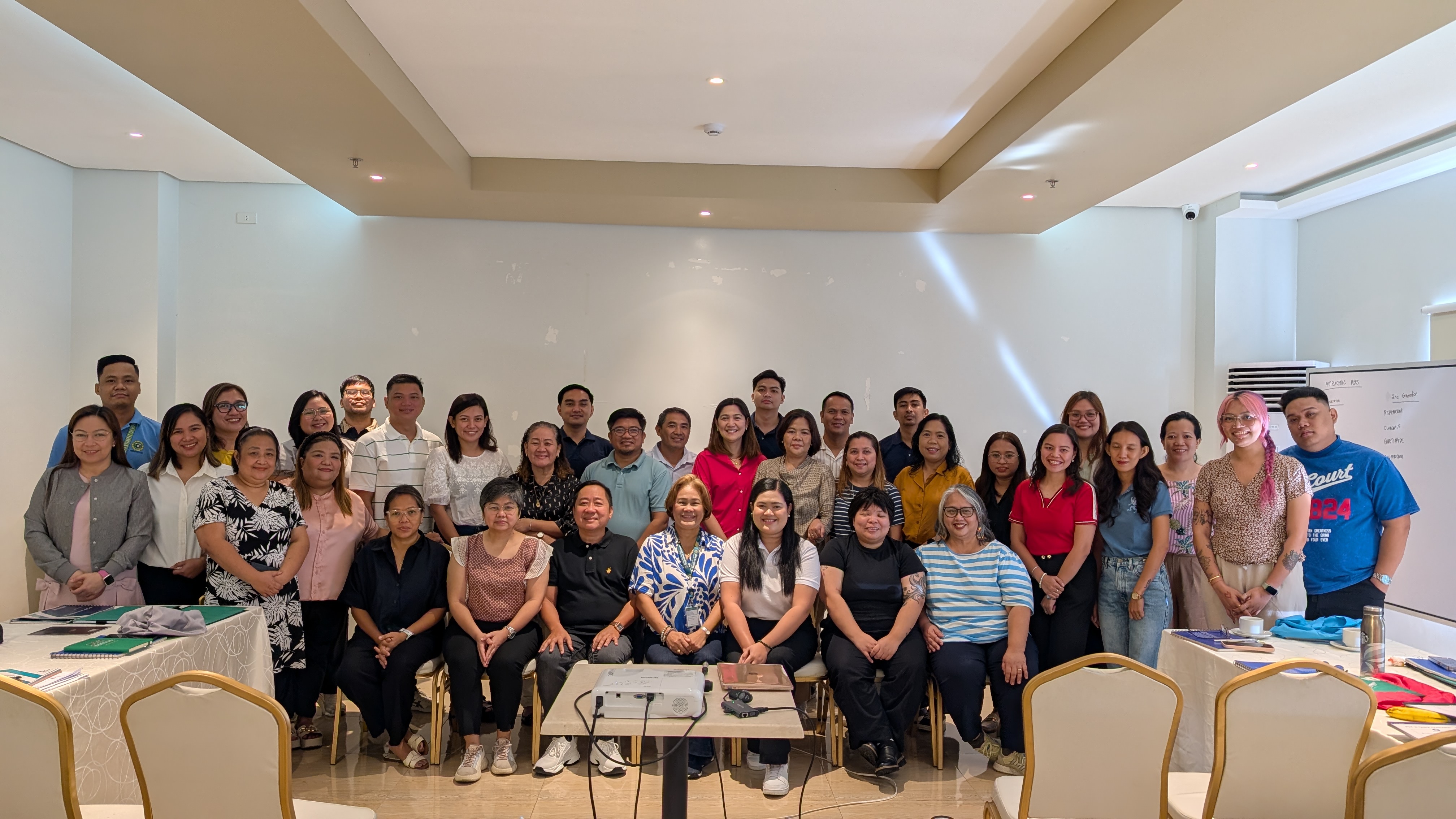
Strengthening Community Mental Health: mhGAP Training in Albay
From July 2 to 4, 2025, frontline health workers in Albay completed intensive mhGAP training under the Ka-ginhawa Project, a partnership initiative supported by the Australian Government, CBM Global Disability Inclusion, and the Balik Kalipay Center for Psychosocial Response. The three-day program equipped local providers with essential skills to assess and manage mental health conditions while strengthening referral networks across the province.